How Long Do Tape-In Hair Extensions Last?
 bdaniel
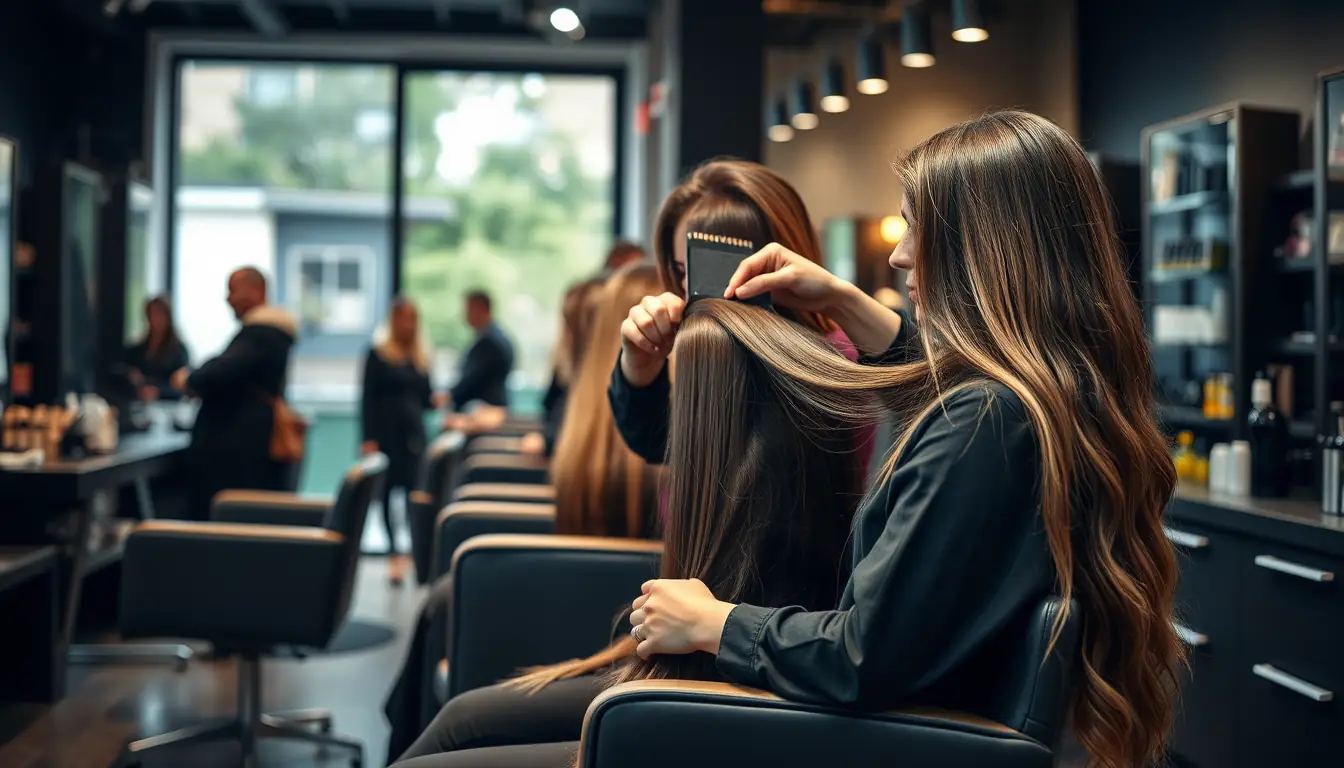
Here is what most salons won't say out loud: the number one reason tape-in extensions fail early has nothing to do with the product and everything to do with what happens after the client leaves the chair. At Vivid Hair Lounge in Feasterville, our team hears this constantly from clients who come in frustrated after a previous experience. A 4.9-star rating across 211 Google reviews and a Best Hair Color win on the 2025 Bucks Happening List didn't come from doing things the standard way. It came from being specific, honest, and practical with every person who sits down with us. Extensions are no different.
Tape-ins are one of the most popular extension methods we offer, and they're also one of the most misunderstood. So let's correct the record.
FAQ
How long do proper hair extensions last? The weft itself, meaning the actual hair you're wearing, can last twelve months or longer when cared for correctly. What needs attention every six to eight weeks is the tape bond, which loosens as your natural hair grows. Regular move-up appointments keep the extensions secure and the hair looking seamless.
Can you swim with hair extensions in? You can, but it requires preparation and aftercare. Chlorine and salt water both break down the adhesive bond faster than normal and cause dryness in the extension hair itself. If you swim regularly, braiding your hair before getting in the water, rinsing immediately after, and using a hydrating, sulfate-free conditioner keeps the bonds intact and the hair in better shape longer.
Myth: Tape-In Extensions Ruin Your Natural Hair
Fact: When applied and removed by a trained stylist, tape-ins are one of the gentler extension methods available. The wefts lie flat against the head and distribute weight across a wide surface rather than a single point. Where damage does happen is almost always traced back to improper removal, skipping move-up appointments until bonds slide too close to the ends, or applying heat directly to the tape bond itself. A proper consultation at Vivid Hair Lounge starts with your stylist reviewing your hair history and current condition before any extensions are even discussed. That step protects your hair before the work begins.
Myth: Extensions Are Only for Long Hair Goals
Fact: Extensions work remarkably well for clients with shorter hair who want volume, thickness, or a length boost they can't achieve on their own timeline. The key variable isn't your current length but your hair's density and overall health. During a consultation, your stylist checks whether your natural hair can support the weight of extensions comfortably. For clients with fine or thin hair, a lighter weft placement strategy often works better than a full head. If your hair is very short, an extensions consultation is the only real way to find out what's achievable, because the answer depends entirely on your specific hair, not a general rule.
Myth: All Tape-In Extensions Look Fake
Fact: Poorly blended extensions look fake. The method itself is not the problem. Tape-ins sit flat against the scalp and blend into natural hair more seamlessly than many other methods when applied with proper sectioning and the right weft width for your hair type. Color matching matters enormously here. At Vivid Hair Lounge, extension color application is treated as its own craft. If your extensions need to be colored to match your current shade or your balayage, that's a separate appointment handled with the same care as any other color service. A client who walks in with extensions that catch the light the same way their natural hair does is a client who gets asked if their hair is real. That's the goal. Learn more about how we approach extension color application as part of the full process.
Myth: Move-Up Appointments Are Optional If the Hair Still Looks Fine
Fact: This is one of the most common and costly mistakes extension clients make. As your natural hair grows, the tape bond moves away from the scalp. Once that bond drops below a certain point, the weight of the weft begins pulling on a small section of hair rather than distributing evenly. That tension is what leads to breakage and thinning along the hairline and part. Move-ups are typically scheduled every six to eight weeks, and skipping them does not extend the life of your investment. It shortens it. At Vivid Hair Lounge, we're clear about this timeline from the first appointment so clients can plan ahead.
Myth: You Can Use Any Shampoo and Conditioner With Extensions
Fact: The products you use at home have a direct impact on how long your tape bonds hold and how healthy the extension hair stays. Sulfate-based cleansers break down the adhesive faster and strip moisture from the extension hair, which cannot be replenished the way your natural hair can. The right aftercare routine typically means a sulfate-free shampoo applied at the scalp, a hydrating conditioner worked through the mid-lengths and ends only, and avoiding product buildup near the bonds. Heat styling is fine, but keeping tools away from the tape bonds and using a heat protectant on the extension hair keeps the wefts looking newer longer. For more on protecting hair health day-to-day, the guide on how to maintain vivid hair color at home in 2026 covers aftercare principles that apply equally well to extension clients.
Myth: Extensions Are Too Expensive to Be Worth It
Fact: Cost depends on the amount of hair used, the method chosen, and whether color work is involved, so there is no honest single-number answer to give here. What's worth calculating is the full picture: the initial tape-in extension implementation, the move-up appointments every six to eight weeks, any color matching needed, and removal when you're ready to take them out. Clients who go into extensions understanding that full picture tend to be much happier with the investment. Clients who focus only on the initial number and skip move-ups or aftercare tend to feel like it wasn't worth it, because the extensions don't last. The experience at Vivid Hair Lounge is built around making sure you understand what you're committing to before you commit to it, and that includes the ongoing care.
Myths vs. Reality: The Summary
| Myth | What is actually true |
|---|---|
| Extensions damage natural hair | Damage comes from poor removal or skipped move-ups, not the method itself |
| Short hair can't use extensions | A consultation determines suitability; many short-hair clients are good candidates |
| Tape-ins look obviously fake | Proper blending and color matching produce seamless results |
| Move-ups are optional | Skipping them causes tension and breakage; stick to the six-to-eight-week schedule |
| Any shampoo works fine | Sulfate-free products protect bonds and extend extension life significantly |
| Extensions aren't worth the cost | Understanding the full investment upfront leads to a much better experience |
How to Judge Any Extension Claim You Read Online
The clearest signal that advice about tape-in extensions is worth listening to is whether it accounts for your specific hair. Generic timelines, blanket cost figures, and promises that any method works for everyone are red flags. Good guidance always starts with what your stylist checks first: your hair history, its current condition, and what you're actually trying to achieve. Those three things determine everything from which method suits you to how often your move-ups should be and what your aftercare needs to look like.
If you've been burned by extensions before or you're exploring them for the first time, the right next step is a conversation with someone who will look at your actual hair before making any promises. Book a consultation with the Vivid Hair Lounge team in Feasterville and find out what tape-ins can realistically do for you.