
What Is Color Correction for Hair? A Real Explainer
 bdaniel
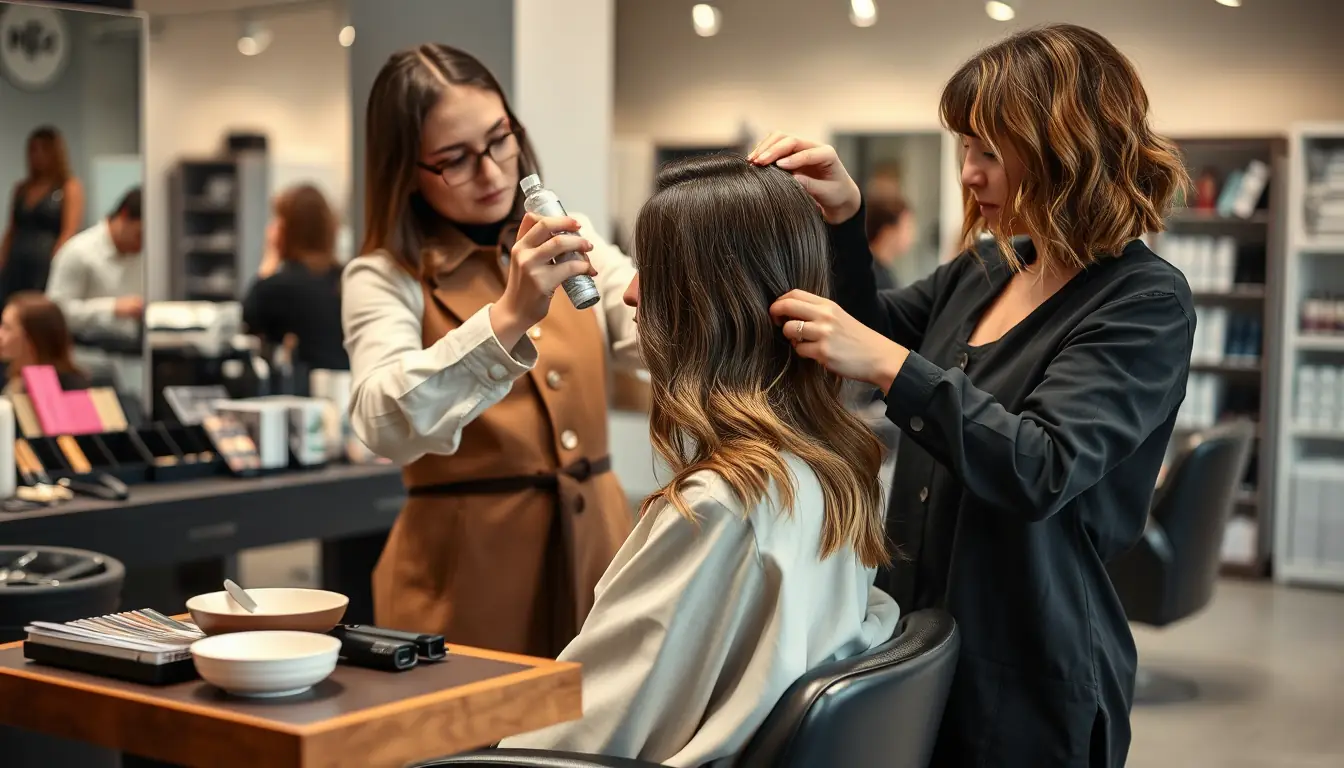
Here is what most salons won't tell you upfront: color correction is not a single service. It is a category of work, and the right approach depends entirely on what went wrong, how many layers of previous color are sitting on your hair, and how healthy your strands are right now. At Vivid Hair Lounge in Feasterville, we have built a reputation in Lower Bucks County specifically for untangling complex color situations that other salons passed on. A 4.9-star rating across 211 Google reviews and a Best Hair Color win on the 2025 Bucks Happening List reflect exactly that kind of technical commitment. Morgan P. put it plainly in her review: the results exceeded her expectations. That does not happen by accident.
Color correction work generally falls into a few distinct approaches: a tonal correction (adjusting unwanted warmth or coolness), a lightness correction (lifting color that came out too dark or uneven), a color fill (restoring pigment to over-lightened hair before recoloring darker), and a full multi-session correction (the most complex rebuilds, including botched vivid color or significant box-dye removal). Knowing which one you actually need changes everything about the timeline, the cost, and what your hair can handle.
| Option | Best for | Main trade-off | What to check |
|---|---|---|---|
| Tonal correction / gloss | Brassy or off-tone results, minor warmth | Fades faster than permanent color | Current porosity and existing underlying pigment |
| Lightness correction | Hair that came out too dark, uneven lift | Can require multiple sessions to avoid damage | How many prior color services are on the hair |
| Color fill | Over-lightened hair being taken darker | Skipping it causes fast fade and green tones | Whether underlying warm pigment has been fully stripped |
| Multi-session full correction | Box dye removal, vivid-to-natural, major mistakes | Longest timeline, highest investment | Structural integrity of the hair before starting |
FAQ
Which color is best for hair highlights? The most flattering highlight choice depends on your base tone, skin undertones, and the overall look you want. Warm honey and caramel tones tend to suit golden or olive complexions, while cooler ash and pearl shades work beautifully on fairer skin. A stylist consultation that accounts for your natural undertones is always the most reliable guide.
Can you color and highlight hair the same day? It depends on the starting condition of your hair and the services involved. Single-process color followed by highlights, or a partial highlight combined with a toner, is often done in one appointment. More aggressive combinations, like a heavy lift plus a full color correction, typically need to be staged across sessions to protect the integrity of your hair.
What is the meaning of color correction? Color correction refers to any professional service that fixes an undesired hair color result. This may include neutralizing brassiness, correcting uneven lift, removing unwanted pigment, or restoring color that was over-processed. The term covers a wide range of technical complexity, from a single toning gloss to a months-long rebuild. You can explore the full scope of color correction services we offer to understand what a consultation typically involves.
How do I fix my hair color? The honest answer is: with a professional consultation first. What looks like a simple fix often has multiple layers of history sitting on the hair, and treating it without a full assessment can make the situation harder to correct. A stylist will evaluate your hair's current condition, the existing color history, and your goal before recommending a realistic path forward.
Tonal Correction: When the Problem Is Warmth or the Wrong Tone
A tonal correction is the least invasive type of corrective work, and it is often the right call when the underlying lightness is already close to where it needs to be but the tone landed off. Think: highlights that came out too yellow, a blonde that oxidized brassy within weeks, or a cool brunette that shifted warm after a few shampoos.
The tool here is usually a toner, gloss, or toning treatment applied over existing lightened or colored hair. It neutralizes unwanted pigment molecules using color theory, so orange is neutralized with blue, yellow with violet, and so on. The result can be dramatic even though the process is relatively straightforward.
Who it suits: clients who had a decent lightening result but the finish is not quite right. It also works well for maintaining blonde or balayage looks between full appointments.
Its limits: toners are not permanent and will fade with washing. If the warmth is coming from an underlying pigment issue, meaning the hair was not lifted enough before toning, the brass will return quickly and a deeper correction is needed.
Lightness Correction: When the Lift Came Out Uneven or Too Dark
This is one of the more common correction requests we see from clients across Bucks County, particularly those who visited a stylist somewhere that lacked the technical depth for even, controlled lifting. The hair may be patchy, have hot spots, show visible bands from old foil placement, or simply come out several levels darker than the goal.
Lifting uneven color requires careful assessment of which areas are holding the most pigment and why. Sometimes it is an application issue. Sometimes prior chemical services, like relaxers, perms, or box dye, have changed the way the hair accepts and holds color, creating unpredictable results.
A color retouch in the context of corrective work often means selectively re-lightening specific sections while protecting areas that are already fragile. This is not about applying bleach everywhere and hoping for the best. It is a mapped, deliberate process.
Who it suits: clients whose hair is too dark, too patchy, or has visible lines of demarcation from a previous single-process job applied over highlighted or naturally textured hair.
Its limits: if the hair is already damaged or over-processed, lifting further in one session may not be safe. This is frequently a multi-visit scenario, and setting that expectation early is part of doing the job right.
Color Fill: The Step Most People Skip (and Regret)
Over-lightened hair that needs to go darker is one of the most misunderstood corrections in the salon world. Without a proper color fill, dark color applied directly to very porous, pre-lightened hair will often look flat, fade quickly, or shift to unexpected tones like green or olive. The fill restores warm underlying pigment that was removed during lightening, giving the new color the foundation it needs to look natural and last.
This service is easy to skip on a budget or when a stylist is not thinking ahead, but skipping it almost always creates a second correction appointment down the line.
Who it suits: anyone transitioning from very light blonde to a medium or dark brunette shade, or going from bleached hair to a vivid fashion color that requires a warmer base.
Its limits: the fill adds time and cost to the appointment. It is not optional for clients with significant lift history if the goal is a true, lasting result.
Multi-Session Full Correction: The Complex Rebuild
Box dye removal, vivid-to-natural transitions, decades of color history, significant heat or chemical damage layered under color, these are the cases that require a staged plan across multiple appointments. Kelly D. and Jessica K. have both spoken to the feeling of finally being heard and taken care of at Vivid Hair Lounge, and that experience is especially meaningful in complex correction work, where trust and honest communication between stylist and client make or break the outcome.
A full multi-session correction starts with a thorough consultation, often including a strand test, before any product is applied. The goal is to map out a realistic path that protects the hair's integrity while moving toward the desired result, whether that is a healthy lived-in blonde, a dimensional brunette, or a vivid fashion shade like deep blue or rich scarlet.
You can browse our full services menu to understand the range of work we do before coming in for a consultation.
Who it suits: clients with significant color history, structural damage, or a goal that requires the existing color to change substantially before a new one can be applied. Also the right fit for anyone whose prior stylist said "I can't fix that."
Its limits: this is the highest investment in time and money of all the correction options. Realistic timelines can range from two appointments to several months depending on the starting point. Transparency about that upfront is non-negotiable.
How to Choose the Right Correction Approach
If your hair is basically the right lightness but the tone feels off, start with a tonal correction gloss and reassess.
If your lift came out uneven or significantly darker than the goal and your hair is in decent condition, a lightness correction over one or two sessions is likely the right path.
If your hair is very light and you want to go darker, build in a color fill. Do not skip it.
If your situation involves box dye, years of layered color history, structural damage, or a vivid color rebuild, plan for a multi-session process and lean on your stylist to map the timeline honestly.
If you are unsure which category your hair falls into, book a consultation before committing to any service. A good consultation includes examining your hair in person, not just reviewing photos.
The Verdict
What is color correction for hair? It is a professional service that meets your hair exactly where it is and moves it toward where you want it to be, safely and honestly. The right approach depends on your specific history, your hair's current health, and what your goal actually is. For some clients in Langhorne or Southampton, that means a single toning appointment. For others coming in from Doylestown or Philadelphia with years of box color to work through, it means a mapped multi-session plan and a stylist who will tell you the truth at every step. Vivid Hair Lounge was built for both. If you are ready to find out exactly what your hair needs, book a consultation and let us take a look.


