How to Prepare Hair for Extensions: Our Approach
 bdaniel
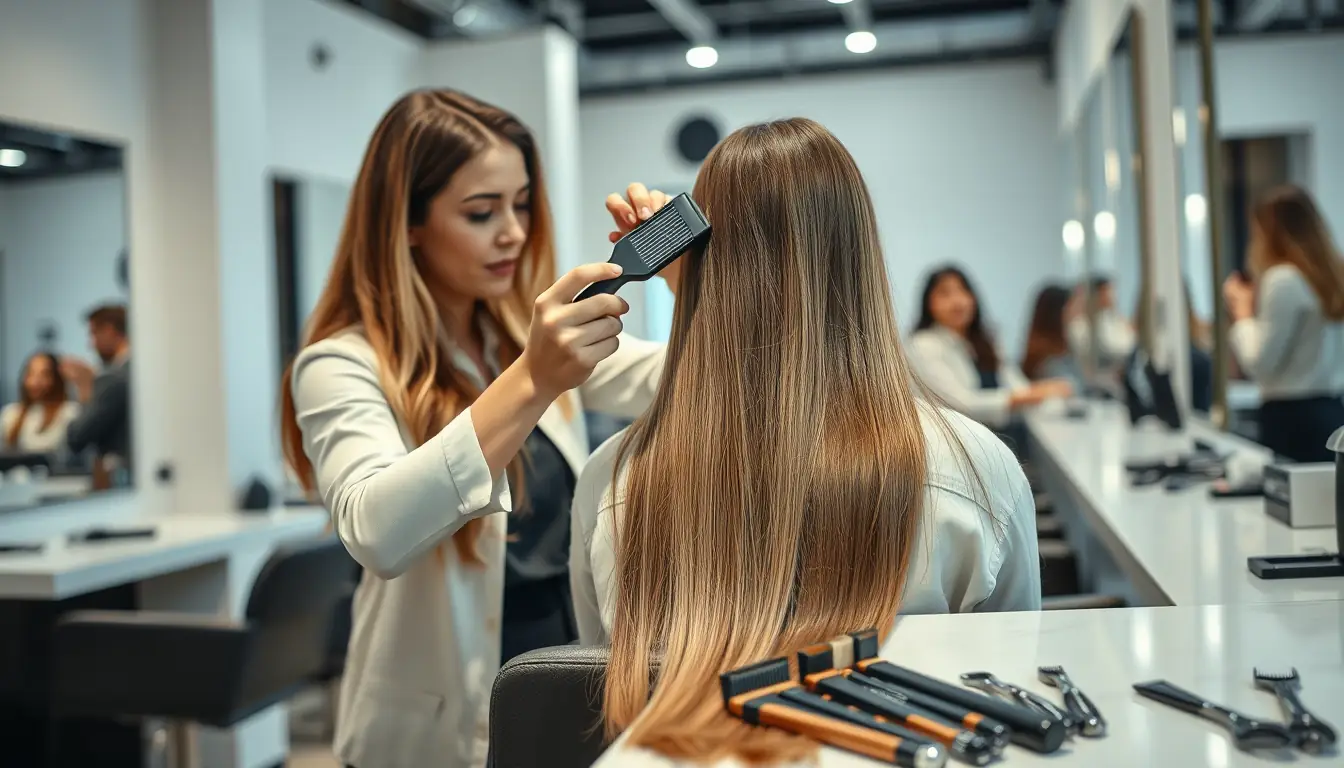
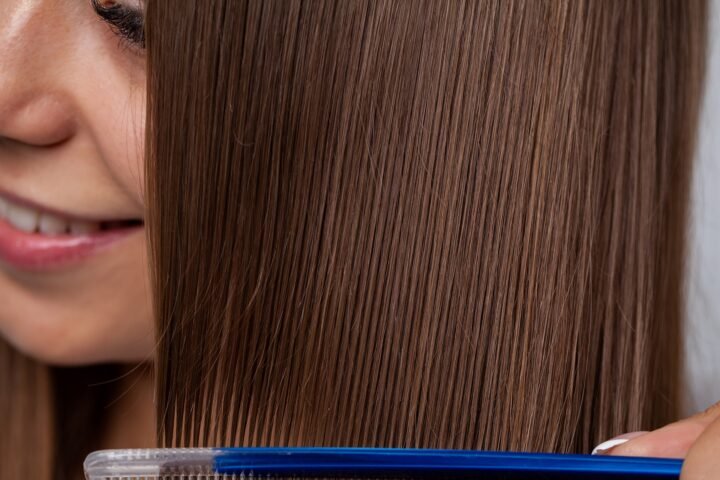
Here is the thing most people don't hear before their first extension appointment: the result you get on the day of installation is only partly about the extensions themselves. The bigger factor is what state your natural hair is in when you sit down in the chair. At Vivid Hair Lounge in Feasterville, we have built a reputation across Lower Bucks County for extensions that hold, blend beautifully, and protect the hair underneath. A 4.9-star rating across 211 Google reviews and a Best Hair Color win on the 2025 Bucks Happening List reflect a technical standard that starts long before the first weft is placed. Kelly D., Jessica K., and Morgan P. have each spoken to that experience in their own words. What follows is an honest breakdown of what actually prepares hair for extensions, what tends to fall short, and what we do differently.
The Situation We See All the Time
The typical client who comes to us for extensions has usually done some research. They have saved photos, checked Instagram, maybe even watched a few tutorials. What they have not always done is prepare their actual hair for what is about to happen to it.
This is not a criticism. Most people are not told what the preparation window looks like or why it matters. They book the appointment, show up, and trust that the stylist will take care of everything from that point forward. Sometimes that works out. Often, it means the extensions do not last as long as they should, or the natural hair underneath takes a hit it did not need to take.
The situation that creates the most friction is damaged or over-processed hair meeting an extension installation without any conditioning work done in advance. Weak strands cannot grip attachment points reliably. Porous hair drinks up product and dries out extensions faster. And hair that has been heavily colored, particularly lightened repeatedly, may not have the structural integrity to support the method the client originally wanted.
This is a typical scenario, not a single client's story. But it plays out regularly enough that we built our entire consultation process around catching it early.
What Most People Try First and Why It Falls Short
The most common mistake is treating extension preparation as a single step: a wash the morning of the appointment. Some clients add a deep conditioning mask the night before. Both of those things are fine. Neither of them is sufficient on their own if the underlying hair has not been in a solid maintenance routine.
A one-time deep treatment can temporarily plump the hair cuticle and improve slip, but it does not address ongoing porosity, breakage patterns, or the structural weakness that comes from repeated chemical services. Extensions add weight. That weight is distributed across attachment points that your natural hair has to anchor. If those strands are already stressed, the added tension can accelerate breakage at exactly the wrong place.
The other thing that falls short is skipping the conversation about color. A lot of clients want to arrive at their extension appointment with fresh color. That instinct makes sense visually, but color services and extension installation done simultaneously, or back to back without recovery time, can be too much for the hair to handle at once. The sequence matters. So does the method. And the only way to map out the right sequence is through a proper consultation, not a guess made the week of the appointment.
What We Do Differently
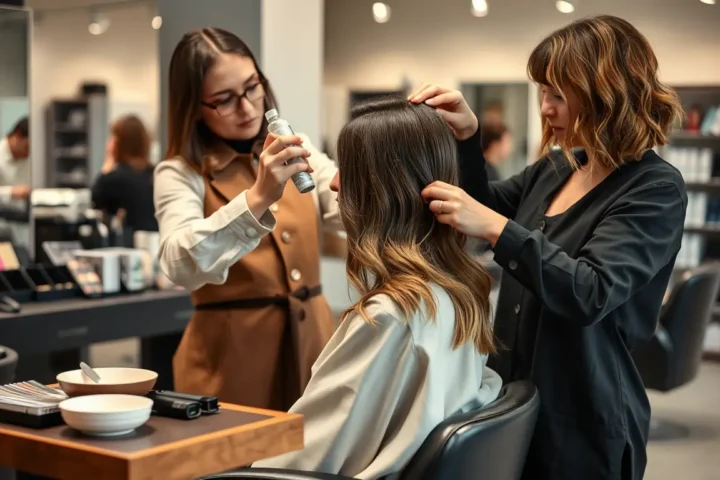
Before we discuss a single extension method or weft placement, we do a thorough consultation. The stylist looks at your hair history, your current condition, the photo you bring in, and what your natural hair can realistically support. This is not a formality. It is the entire foundation of a good result.
We check for porosity, which tells us how the hair will respond to attachment adhesives or tension from a sew-in method. We look at your existing length, because the attachment points need to sit at least a few centimeters from your scalp and your natural hair needs to be long enough to conceal them entirely. We ask about your color history, because heavily lightened or chemically relaxed hair behaves differently under the stress of extensions than natural or minimally processed hair does. And we look at your scalp, not to diagnose anything medical, but to flag whether there is anything that should be addressed by a dermatologist before we proceed.
If your hair needs a conditioning reset before installation, we will tell you. If a color service needs to happen first and your hair needs a week or two to recover before extensions go in, we will map that out with you. If the method you came in wanting is not the right fit for your current hair, we will explain why and walk you through what options actually make sense.
For clients coming in with vivid fashion color goals alongside extensions, that sequencing conversation is especially important. Color applied to extensions requires a different approach than color on natural hair, and getting both right means planning the two services deliberately. Our extension color application process is designed around exactly that kind of intentional workflow.
The practical preparation steps we typically recommend before an extensions consultation include several weeks of a strengthening, moisture-based routine using sulfate-free shampoo and a reparative conditioner. We ask clients to avoid washing their hair the day of installation, since clean dry hair without product buildup gives the best grip at attachment points. We also ask about heat tool habits, because heat damage is one of the fastest ways to compromise the hair that has to anchor everything.
If you are curious about what to expect from the actual service and its longevity, our guide to how long tape-in hair extensions last covers the specifics by method.
FAQ
How long do proper hair extensions last? This depends heavily on the method and how well the hair is maintained. Tape-in extensions typically last six to eight weeks before they need to be repositioned as your natural hair grows. Sew-in weft methods can last a similar window with proper care. Consistent aftercare, including sulfate-free products, low water temperature during washing, and minimal heat on the bonds or tape, extends the lifespan significantly.
How much do hair extensions cost to put in? Extension pricing varies based on the method, the amount of hair needed, and whether a color service is involved. We only quote accurate pricing after a consultation, since the right amount of hair and the right method both depend on your specific situation. An extensions consultation is the right first step to get a real number.
Can you swim with hair extensions in? You can, but with real precautions. Chlorine and salt water both dry out extension hair faster than natural hair and can loosen certain bond types. If you plan to swim, it is worth protecting your hair before you get in the water and washing and conditioning thoroughly afterward using products that do not contain sulfates or harsh clarifying agents. The more consistently you manage moisture after swimming, the longer your extensions hold up.
Are there extensions for short hair? It depends on how short. Your natural hair needs to be long enough, typically a few centimeters minimum, to fully conceal the attachment points and blend with the extension length without the bonds showing. Very short hair may need a few months of growth before installation is a realistic option. This is exactly what a consultation is designed to assess.
What Changes When the Prep Is Right
Clients who come in having done the conditioning work, skipped the clarifying shampoo the morning of their appointment, and had a real conversation about their hair history ahead of time tend to have a noticeably different experience. The installation sits better. The blend is cleaner. And the extensions last closer to the full expected window rather than starting to shift early.
The hair underneath also comes out of the experience in better shape. When natural strands are strong going in, they hold attachment points without strain and do not break down at the root line. That matters especially for clients who want to maintain extensions long-term across multiple repositioning appointments.
For clients combining extensions with vivid color or balayage, the prep window is even more important. Well-conditioned hair accepts color more evenly, which means the blend between your natural hair and the extension hair stays cohesive longer. If you are planning a bold color transformation alongside length, our hair color salon in Feasterville-Trevose, PA page gives a fuller picture of what that process looks like.
Lessons You Can Apply Right Now
- Start a sulfate-free, moisture-focused routine at least four to six weeks before your extension appointment.
- Avoid heavy silicone-based products in the weeks leading up to installation, since buildup interferes with grip at attachment points.
- Do not schedule a color service and extension installation in the same sitting without first talking to your stylist about whether your hair can handle it.
- Bring a photo to your consultation. It tells the stylist more than a description can and helps set realistic expectations.
- Treat the consultation as the actual first step, not a preliminary formality, because the method, the sequence, and the aftercare all depend on what your stylist finds out at that appointment.
- If you have any scalp concerns, flagging them early is important. A stylist can redirect you to the right professional before an installation happens over an unaddressed issue.
- Plan for upkeep appointments at the right intervals. Extensions are a commitment, and skipping repositioning sessions puts stress on new growth.
If your longer-term goal involves vivid color alongside extensions and you are starting from heavily processed hair, it may be worth reading our explainer on color correction first, since the sequencing of those two services matters a great deal.
The clients who get the most out of their extensions are almost always the ones who treated the preparation window as part of the service, not as a box to check the morning of. That is a mindset shift more than a checklist, and it is one worth making before you book. If you are ready to find out what your hair can support and what that process looks like for your specific goals, booking a consultation is where it starts.